What Is a 3PL and When Does an Ecommerce Brand Need One?
Many ecommerce founders start by fulfilling orders from home or small spaces, but as sales grow, chaos can ensue. Partnering with a 3PL (third-party logistics) provider can really help by managing storage, shipping, and returns. This way, founders can focus on growth rather than getting bogged down in logistics.
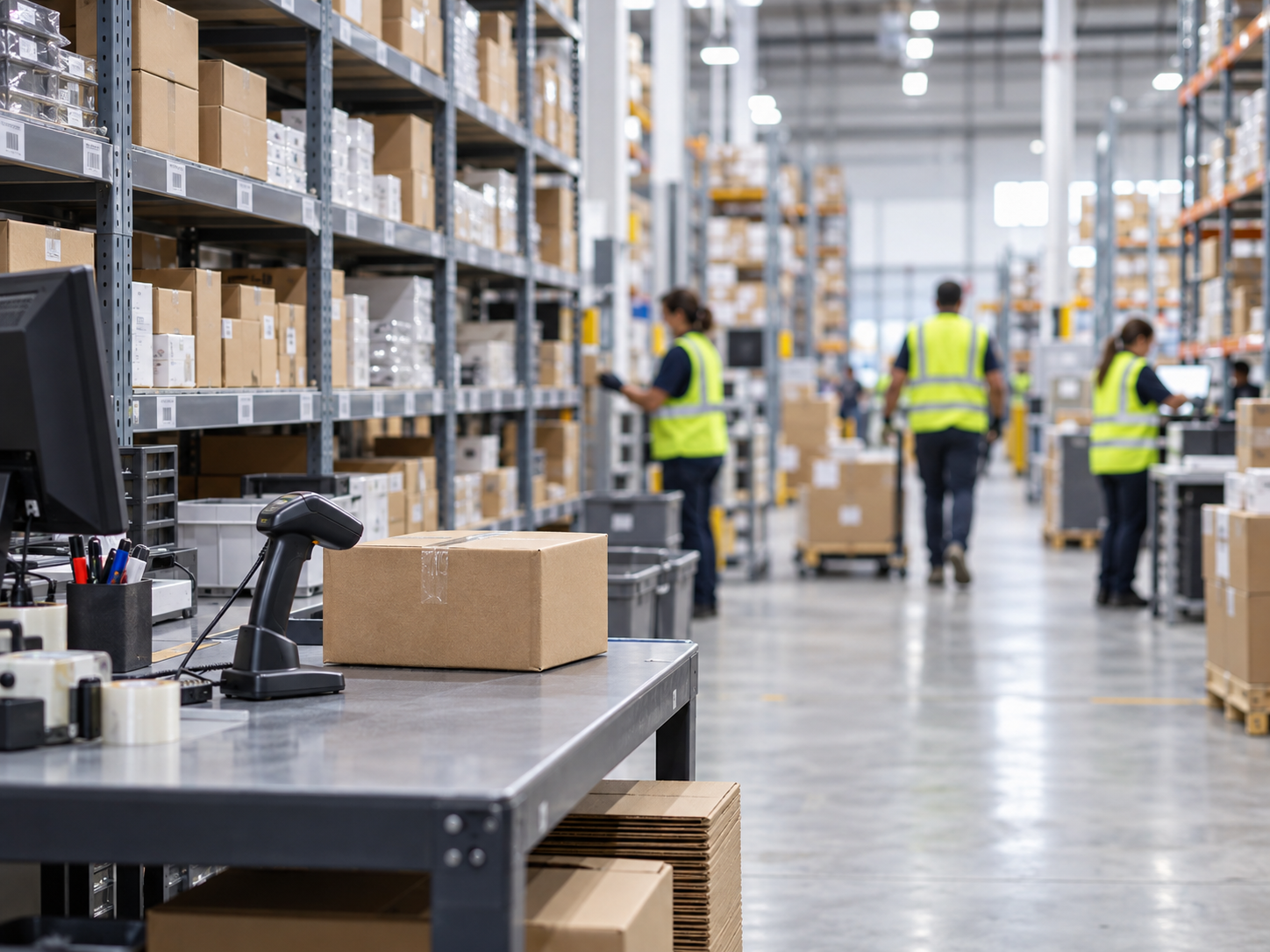
For many ecommerce founders, fulfilment starts in a spare room, garage, small office or shared warehouse space. Orders come in, labels get printed, parcels are packed, and the job gets done. That approach often works in the early days. Then growth starts to create friction. More orders mean more stock to manage, more mistakes to fix, more customer service tickets, more pressure on delivery speed, and less time to focus on growing the business. That is usually the moment brands begin asking an important question: What is a 3PL and is now the right time to partner with one?
If you run an ecommerce business and want to scale without operational chaos, understanding how third-party logistics works can save time, money and a lot of stress.
What is a 3PL?
A 3PL, or third-party logistics provider, is a company that stores your stock and manages fulfilment on your behalf.
In simple terms, they help ecommerce brands outsource logistics operations.
A 3PL typically handles:
- Receiving inbound stock from suppliers
- Storing inventory in a warehouse
- Picking products when customers order
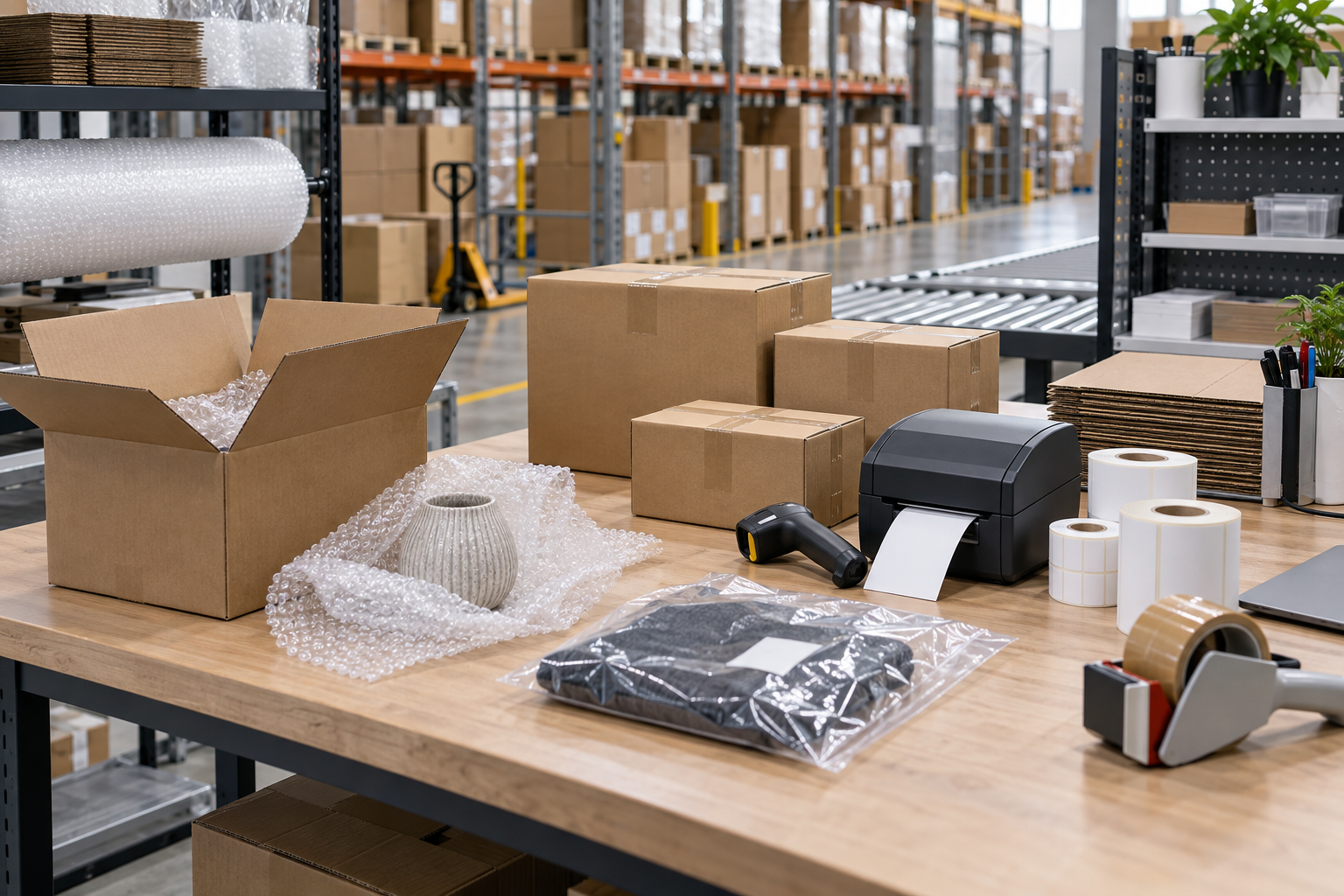
- Packing parcels
- Shipping orders through courier networks
- Managing returns
- Tracking stock levels
- Integrating with platforms such as Shopify, Amazon, WooCommerce and others
Instead of running your own warehouse, team, systems and shipping processes, you use a specialist provider.
For many ecommerce brands, this becomes a key growth decision.
Why 3PLs Have Become So Important
Customer expectations have changed.
Fast delivery, smooth returns, accurate orders and reliable tracking are now considered normal.
According to reports from major commerce studies, delivery experience remains one of the biggest drivers of repeat purchase behaviour. When fulfilment goes wrong, customer trust drops quickly.
That creates a challenge for growing brands.
You may be excellent at product, marketing and customer acquisition, but warehouse operations are a different skill set.
A strong 3PL fills that gap.
How a 3PL Works in Practice
Here is a typical example.
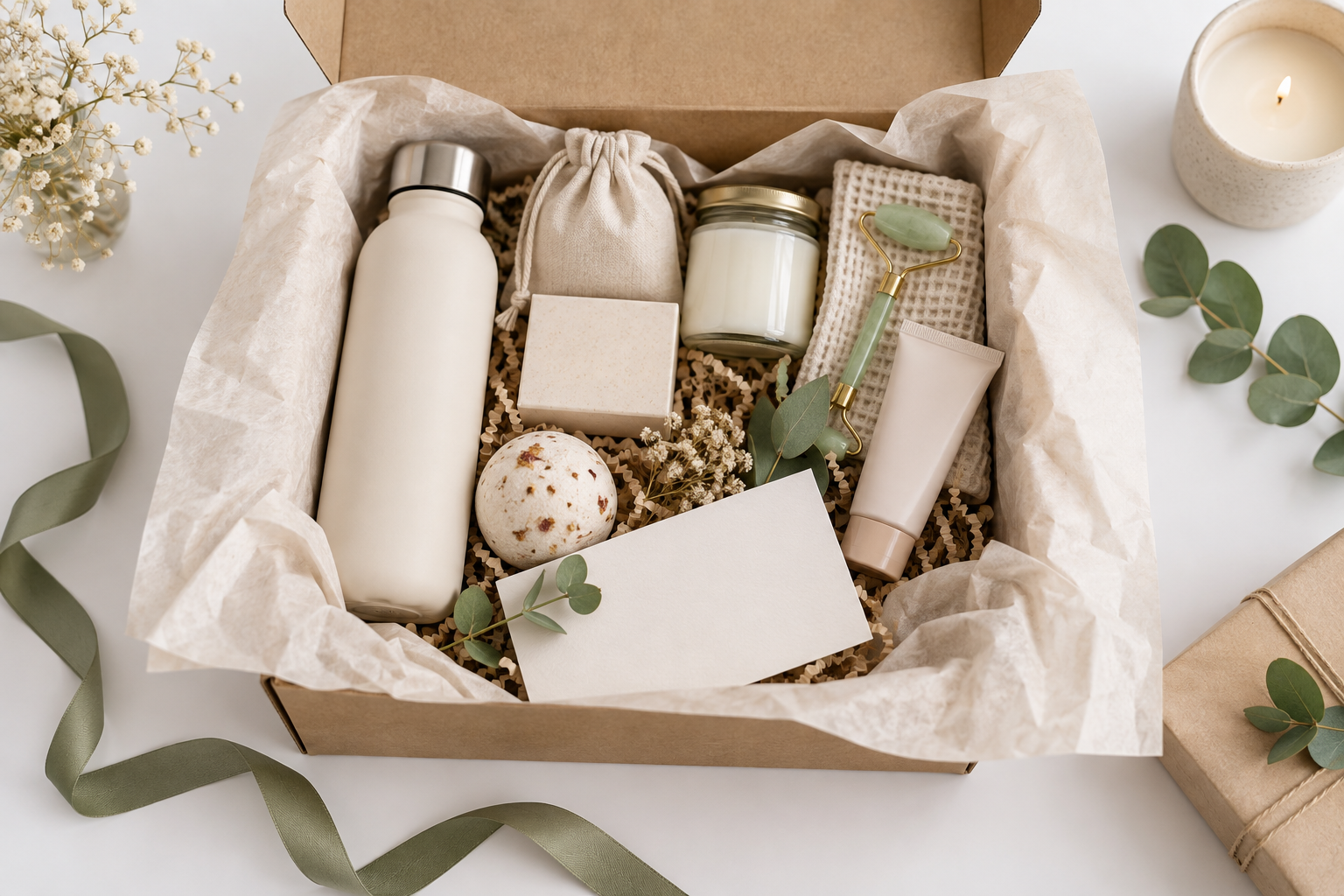
You run a skincare brand selling through Shopify.
You import 5,000 units of stock from a manufacturer.
Instead of sending that stock to your office, it goes directly to your 3PL warehouse.
When a customer places an order:
- The order flows automatically from Shopify to the warehouse system
- Warehouse staff pick the correct products
- Items are packed
- Shipping label is applied
- Parcel is handed to the courier
- Tracking is sent to the customer
This process can happen hundreds or thousands of times each week.
Without a 3PL, you would need to build and manage this operation yourself.
What Are the Benefits of Using a 3PL?
1. More Time to Grow the Brand
Most founders should spend time on:
- product development
- marketing
- customer acquisition
- retention
- partnerships
- commercial growth
Packing boxes rarely moves the business forward long term.
2. Better Operational Efficiency
Established fulfilment providers already have:
- warehouse systems
- trained staff
- courier relationships
- storage processes
- returns workflows
Building this internally takes time and capital.
3. Scalability During Busy Periods
Peak periods such as Black Friday, Christmas or product launches can overwhelm small internal teams.
A capable 3PL is built to handle volume swings.
4. Improved Delivery Experience
Many providers negotiate better carrier rates and offer faster shipping options due to scale.
That can improve both margins and customer satisfaction.
5. Reduced Fixed Costs
Running your own warehouse means rent, staff, equipment, insurance, systems and management overhead.
Outsourcing can convert some of those fixed costs into variable costs linked to order volume.
When Does an Ecommerce Brand Need a 3PL?
There is no universal number, but there are common signals.
1. Orders Are Consuming Your Week
If fulfilment is taking over founder time, growth usually slows.
2. Mistakes Are Increasing
Wrong items sent, late dispatches, missing parcels and poor stock visibility often signal the current setup is under pressure.
3. Storage Space Is Becoming a Problem
If stock is filling every available corner of your workspace, that usually tells its own story.
4. You Want to Scale Paid Ads
Many brands hesitate to increase marketing spend because operations cannot handle the extra demand.
That bottleneck can be expensive.
5. You Want International Growth
Expanding into new markets often requires better shipping capability, customs knowledge and faster delivery options.
Many 3PLs can support this.
What Does a 3PL Usually Cost?
Pricing models vary, but common charges include:
- Goods receiving fees
- Storage fees
- Pick and pack fees
- Packaging materials
- Shipping costs
- Returns handling
- Account management or platform fees
Some providers suit early-stage brands. Others focus on high-volume operations.
The cheapest quote is not always the best decision.
Low pricing with poor service can cost far more through lost customers and operational damage.
Is a 3PL Better Than In-House Fulfilment?
Sometimes yes. Sometimes no.
In-house fulfilment may still make sense if:
- order volume is low
- products are highly customised
- margins are extremely tight
- you need total control day to day
- fulfilment is currently efficient and stable
A 3PL often becomes more attractive when:
- order volume is rising
- service levels matter more
- founder time is stretched
- space is limited
- growth plans are ambitious
The right answer depends on stage, margin profile, product type and goals.
What Should You Look for in a 3PL?
Not all providers are equal.
Important factors include:
Technology
Can they integrate cleanly with your ecommerce platform?
Accuracy
Do they have strong picking and dispatch processes?
Communication
Will they respond quickly when issues happen?
Flexibility
Can they handle promotions, bundles, subscriptions or custom packaging?
Sector Experience
Do they understand your category?
Beauty, supplements, apparel and fragile goods often require different workflows.
Pricing Transparency
Are fees clear and easy to understand?
Common Mistakes Brands Make
Choosing on Price Alone
Cheap fulfilment can become expensive when service slips.
Moving Too Late
Waiting until operations are already broken can damage growth momentum.
Not Forecasting Volume
If you expect a major campaign, launch or retail push, prepare early.
Ignoring Returns
Returns experience can influence loyalty more than many founders realise.
How FulfilQ Can Help
Choosing a fulfilment partner can feel difficult because many providers sound similar on paper.
The real differences often sit in:
- sector fit
- pricing structure
- technology capability
- responsiveness
- geography
- service quality
FulfilQ is being built to help ecommerce brands compare relevant fulfilment partners more intelligently and discover providers that match their actual needs.
Rather than wasting time searching blindly, brands can make more informed decisions faster.
Final Thoughts
A 3PL is not just a warehouse.
For the right ecommerce brand, it can become a growth enabler.
It frees up time, improves operations, supports scale and helps create a better customer experience.
If your current setup is causing stress, slowing growth or limiting ambition, it may be time to explore external fulfilment support.
The best moment to think about logistics is usually before it becomes a problem.
Frequently Asked Questions
Is a 3PL only for large brands?
No. Many providers support smaller brands and startups.
Can a 3PL integrate with Shopify?
Yes. Many modern fulfilment companies integrate with Shopify and many other platforms.
Does a 3PL handle returns?
Most do, though processes and pricing vary.
Can a 3PL help international shipping?
Many providers offer cross-border solutions or multi-country fulfilment options.
Is using a 3PL expensive?
It depends on volume, product type and service level. For many brands, it becomes more efficient than hiring internally too early.

Comments
Share a question or insight about this article.