
Package theft and porch piracy: what DTC brands can do about it
How DTC brands cut porch piracy losses: a clear stolen-package policy, signature rules by order value, pickup points, protection at checkout and fast claims.
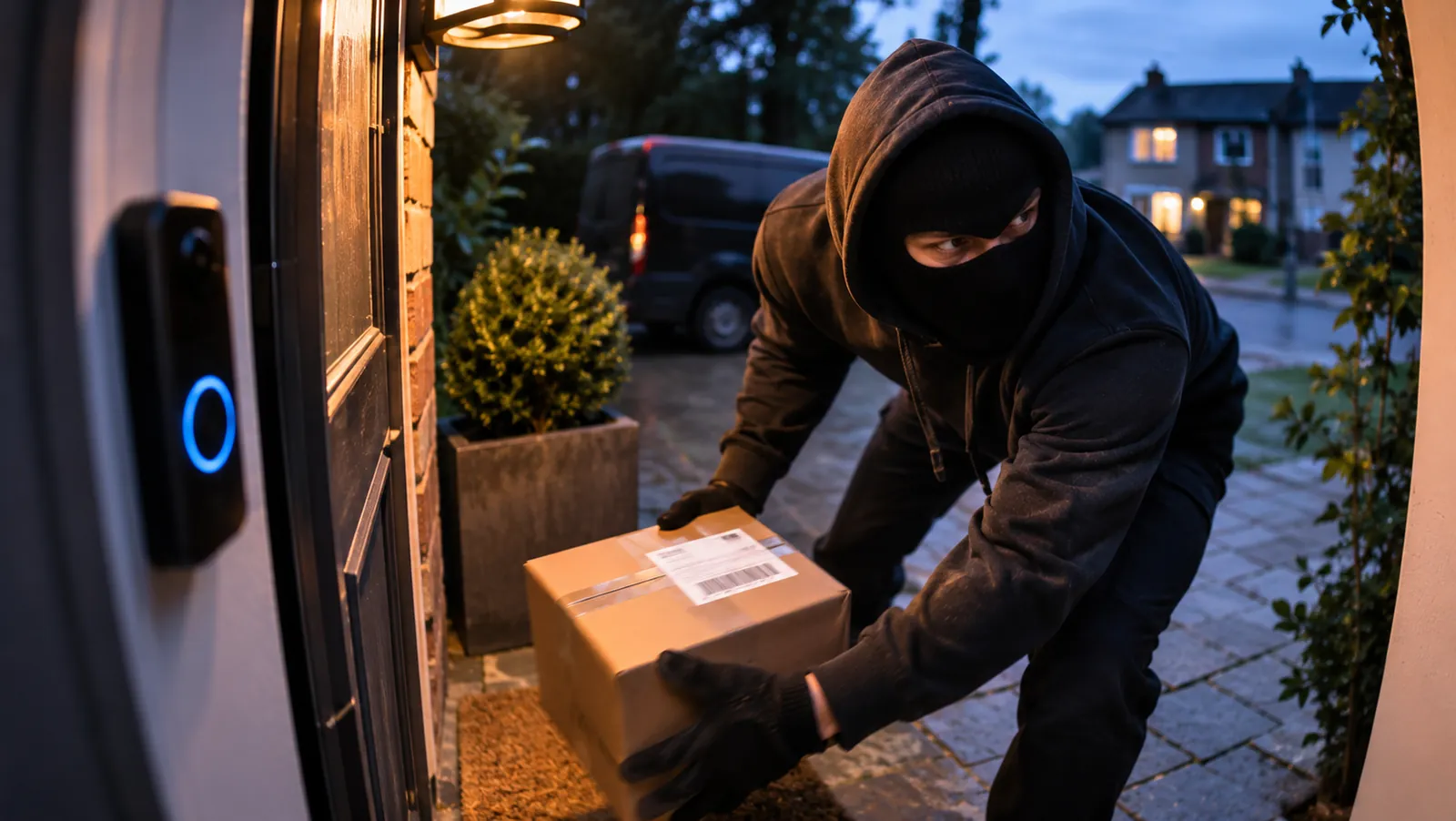
Package theft hits DTC brands twice: once in the replacement or refund, and again in the customer who stops buying. A clear stolen-package policy, signature rules for high-value orders, pickup point options and fast, consistent claims handling cut both costs. Security.org's 2026 survey estimates about 47.7 million Americans had a package stolen in the past year.
Those figures come from a consumer survey, so treat them as a guide to the size of the problem. This article covers what drives the cost for a brand, the delivery options that reduce theft and how to handle the claims that still come in.
The pain points
"Customers keep saying their packages were stolen, and tracking says delivered."
"We replace every claim because we don't want bad reviews, and it's eating our margin."
"The carrier says it delivered, so the carrier claim goes nowhere."
"We can't tell which claims are real and which customers are taking advantage."
"December is our biggest month and our worst month for stolen packages."
How big is the problem?
Security.org's 2026 Package Theft Report, based on an online survey of 3,494 US adults in September 2026, found that 4% had a package stolen in the previous three months and 30% have had one stolen at some point. It puts annual losses at about $7.7 billion and the average stolen package at $161. Among recent victims, 60% reported the theft to the store they bought from and 52% to the delivery company. The report notes its annual figures are extrapolated from three months of answers.
The 60% figure is the one that matters to a brand. Most theft claims land on your customer service team, whoever carried the package.
What carrier cover does and doesn't do
Most US parcel services include a basic amount of cover. USPS Ground Advantage and Priority Mail include $100 of insurance, and most UPS services include $100 of carrier liability, with UPS Ground Saver at $50, according to Pirate Ship's coverage guide. Check each carrier's current terms before you rely on them.
The gap is the delivery scan. When tracking shows a package as delivered, a carrier claim for porch theft is hard to win. Read your carrier's claims terms for delivered packages, and treat third-party cover that names porch theft as a separate decision.
Customers keep saying their packages were stolen. How do I handle it?
Write one policy, publish it and apply it the same way every time. A good policy states:
How soon a customer must report a missing package after the delivery scan.
What you ask them to check first: neighbors, a building mailroom, a safe place, household members.
When you replace, when you refund and when you ask them to file a police report.
How many claims per customer you accept before an order needs a signature.
Who pays if the customer bought package protection at checkout.
Log every claim with the order, address, value and tracking events. Patterns show up quickly: one address with repeated claims, one carrier route or one product line that thieves target.
Delivery options that reduce theft
Signature required above a value threshold. UPS, FedEx and USPS all sell signature options. Use your claims log to set the order value above which a signature pays for itself.
Pickup points and lockers. Offer carrier access points, retail pickup or parcel lockers at checkout. Customers who are out all day often prefer them.
Delivery instructions. Pass the customer's notes, such as "leave at side door" or a building access code, through to the carrier label.
Plain packaging. A box that advertises a premium brand or a high-value product is a bigger target.
Hold for pickup at peak. In December, offer the carrier's hold options more prominently for high-value orders.
Your 3PL applies most of these rules at the pack bench and in its shipping software. Our guide to choosing a 3PL covers the shipping rules worth checking before you sign.
Should you offer package protection at checkout?
Package protection is optional cover the customer buys at checkout, and a third party pays out on loss, damage or theft. It can cover the cost of replacements, and it sets clear expectations for the customer. Read the terms closely: who files the claim, how fast it pays, and whether it pays when tracking shows delivered. Some customers dislike an extra fee at checkout, so measure checkout completion before and after you add it.
What to ask a 3PL
Can you require a signature automatically above an order value we set?
Which carrier pickup points and lockers can you label for?
Do customer delivery notes pass through to the carrier label?
Can you ship high-value orders in plain outer cartons?
Who files carrier claims, and how fast?
Can you send us a monthly report of claims by carrier, route and product?
Our recommendation: set one policy and one signature threshold before peak
Pull 12 months of missing-package claims with order value, carrier and address.
Work out your claim rate and cost per claim, including replacement shipping.
Set a signature threshold where the signature fee costs less than the expected loss.
Write and publish a stolen-package policy, and train your team to apply it.
Add pickup points or lockers at checkout, and test package protection.
Review the claims log monthly for repeat addresses and routes.
What waiting costs
Every unmanaged claim costs the product, the shipping and the support time, and inconsistent handling invites more claims. December brings your highest order volume and the most packages left on doorsteps.
These figures are made up to show the method. A brand ships 10,000 orders a month at an average of $70, and 1% are reported stolen. Replacing each one costs $45 in product and shipping, so 100 claims cost $4,500 a month. A $5 signature on the 10% of orders over $150 costs $5,000 a month. Even if those orders carry 70% of claim costs, signatures save at most $3,150, so at $150 the signature costs more than the theft it stops. At a $250 threshold, the 3% of orders above it cost $1,500 a month to sign for, and if they still carry half the claim cost, signatures save up to $2,250. That threshold pays.
People Also Ask
Who is responsible for a stolen package, the seller or the carrier?
It depends on your terms of sale, your carrier's terms and state law. In practice most customers contact the seller first, so you need a clear policy whatever the legal position. Take legal advice on your own terms.
Does signature confirmation stop package theft?
It stops packages being left unattended, which removes most doorstep theft for those orders. It adds a fee and can mean a missed delivery, so use it above an order value set from your own claims data.
Does carrier insurance cover porch theft?
Included carrier cover is often limited once tracking shows the package as delivered. Check the carrier's claims terms, and look at third-party cover that names porch theft if theft is a real cost for you.
Finding the right 3PL partner
Logan, FulfilQ's advisor on the website, matches brands to verified providers by order volume, product type and region. Tell Logan your monthly orders, your average order value and the carriers you use, and you get a shortlist to ask about signature rules, pickup points and claims handling. Start at fulfilq.com and Ask Logan, or Submit an RFP and verified providers come back to you. You can also browse the full provider directory.



Comments
Share a question or insight about this article.