
Importing from China to the UK: A Guide for Ecommerce Brands
Getting stock from a Chinese factory into a UK warehouse is its own logistics problem, and where a lot of cost and delay hides. Sea or air, FCL or LCL, Incoterms, customs and choosing a forwarder.
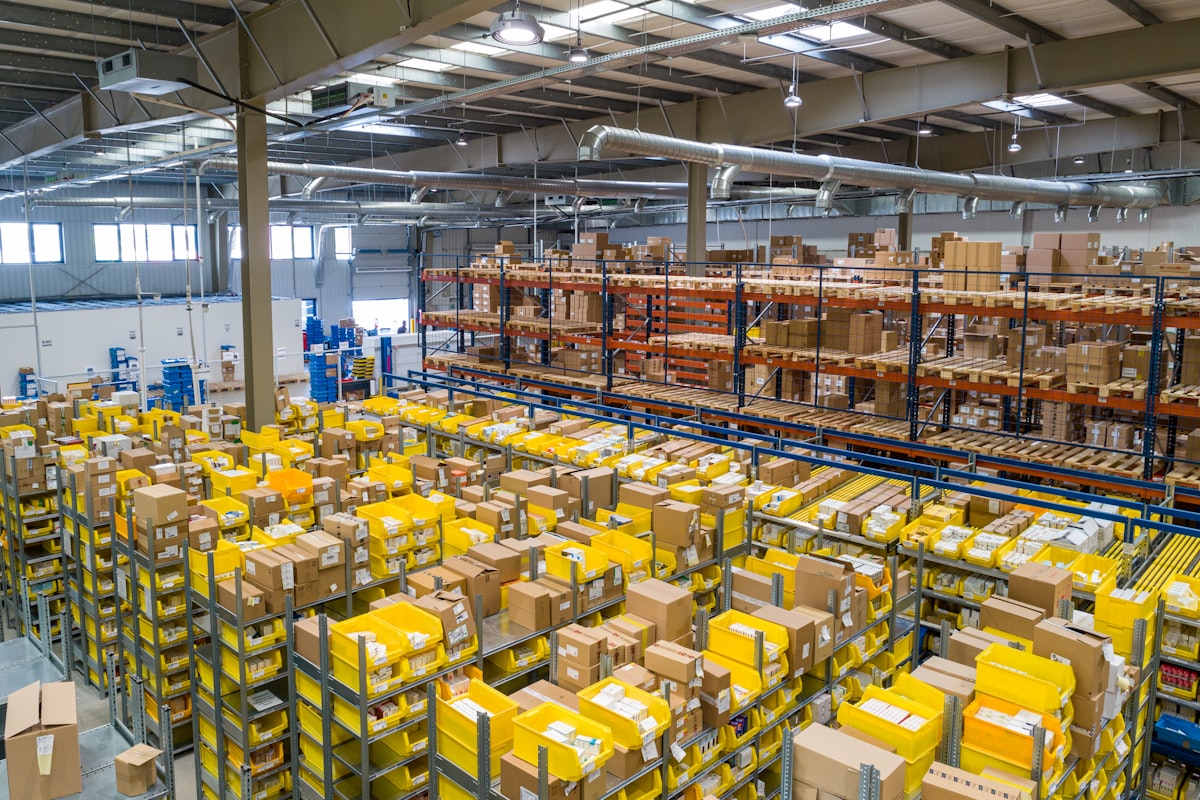
Most UK ecommerce brands that sell physical products source at least some of them from China. Getting stock from a factory in Shenzhen or Ningbo into a UK warehouse is its own logistics problem, separate from fulfilling customer orders, and it is where a lot of cost and delay hides.
This guide covers the inbound side: how goods move, who arranges it, and what to check before your first shipment. It is a practical overview, not customs advice for specific products.
Sea freight or air freight
Sea freight is the default for most stock. It is far cheaper per unit, but transit is measured in weeks, and port congestion or schedule changes can add more. Air freight moves goods in days and costs much more, so brands usually reserve it for urgent restocks, launches, or small, high-value products.
Many brands use both: sea for planned replenishment, air to plug gaps when a bestseller runs low. The real skill is forecasting well enough that air stays the exception.
Full container or shared container
A full container load, FCL, means your goods fill a container on their own. A less than container load, LCL, means your goods share a container with other shippers. LCL suits smaller brands and lower volumes, but it involves more handling at consolidation and deconsolidation points, which adds time and a little more risk of damage or delay.
If you buy from several factories, a forwarder can consolidate goods from different suppliers into one shipment, which often works out cheaper than shipping each supplier's goods separately.
Incoterms: who is responsible for what
Incoterms define where the supplier's responsibility ends and yours begins. The ones UK brands meet most often are EXW, where you take responsibility from the factory door; FOB, where the supplier gets goods onto the ship at the Chinese port; and DDP, where the supplier delivers to your door with duties paid.
DDP sounds simplest, but it hides the freight and duty costs inside the product price and gives you little control or visibility. Many brands move to FOB once they have a forwarder they trust, because it lets them control the main leg of the journey and compare costs properly.
Customs clearance, duty and import VAT
When goods arrive in the UK they have to clear customs. You will need an EORI number, and each product needs a commodity code, which determines the duty rate. Import VAT is also due, and many UK VAT-registered businesses can account for it through postponed VAT accounting rather than paying it upfront at the border. Check eligibility with your accountant.
Getting commodity codes right matters more than most brands expect. A wrong code can mean paying too much duty, or too little and facing a correction later. Most freight forwarders offer customs brokerage, and it is worth having them check codes before the first shipment rather than after.
One point that catches brands selling into Europe: goods made in China remain Chinese origin after they land in a UK warehouse. If you then ship them on to EU customers, they may attract duty there too. That is covered in more detail in Ecommerce Fulfilment for UK Brands Selling into the EU After Brexit.
Quality checks before goods leave the factory
Once goods are on the water, any quality problem is expensive to fix. Pre-shipment inspection, done by an independent inspector at the factory, catches issues while the supplier can still correct them. For a first order with a new supplier it is close to essential.
From port to warehouse
After clearance, goods still have to get from the port to your warehouse. Containers need to be collected within the free time allowed, or demurrage and detention charges start. Your 3PL then has to unload, count and put away the stock before it can be sold.
Tell your 3PL what is coming well in advance. Container unloading, especially loose-loaded cartons rather than pallets, takes planning, and a 3PL that knows the delivery date and packing details can have stock live much faster.
Choosing a freight forwarder
A good forwarder handles booking, consolidation, customs brokerage and delivery to your warehouse, and tells you early when something slips. Ask which China to UK routes they handle regularly, whether they have their own people or agents at origin, how they handle delays and rolled bookings, and which charges are not included in their quote.
The difference between a 3PL and a freight forwarder, and when you need both, is covered in 3PL vs Freight Forwarder: Which One Does Your Brand Actually Need?. For the fulfilment side, see How to Choose a 3PL for Your Ecommerce Brand. Freight forwarders and 3PLs are listed in FulfilQ's provider directory.
People Also Ask
Should I use sea or air freight from China to the UK?
Sea freight for planned stock, because it is far cheaper per unit. Air freight for urgent restocks, launches or small high-value goods. Most brands use both.
What is the difference between FCL and LCL?
FCL means your goods fill a whole container. LCL means sharing a container with other shippers. LCL suits smaller volumes but involves more handling and can take longer.
Which Incoterm should I use when buying from China?
Many brands start on DDP for simplicity, then move to FOB once they have a trusted freight forwarder, because FOB gives more control and clearer cost visibility.
Do I pay VAT and duty when importing from China to the UK?
Usually yes. Duty depends on the commodity code, and import VAT is due, though many VAT-registered businesses can use postponed VAT accounting. Check with your accountant or customs broker.
Comments
Share a question or insight about this article.