
How Ecommerce Fulfilment Works | A Complete Guide
Ecommerce fulfilment plays a crucial role in determining a brand’s success by directly influencing customer experience, repeat purchases, and operational efficiency. It encompasses inventory management, order processing, packing, shipping, and handling returns. Brands must understand and optimize their fulfilment processes to meet rising customer expectations and reduce operational challenges as they grow.
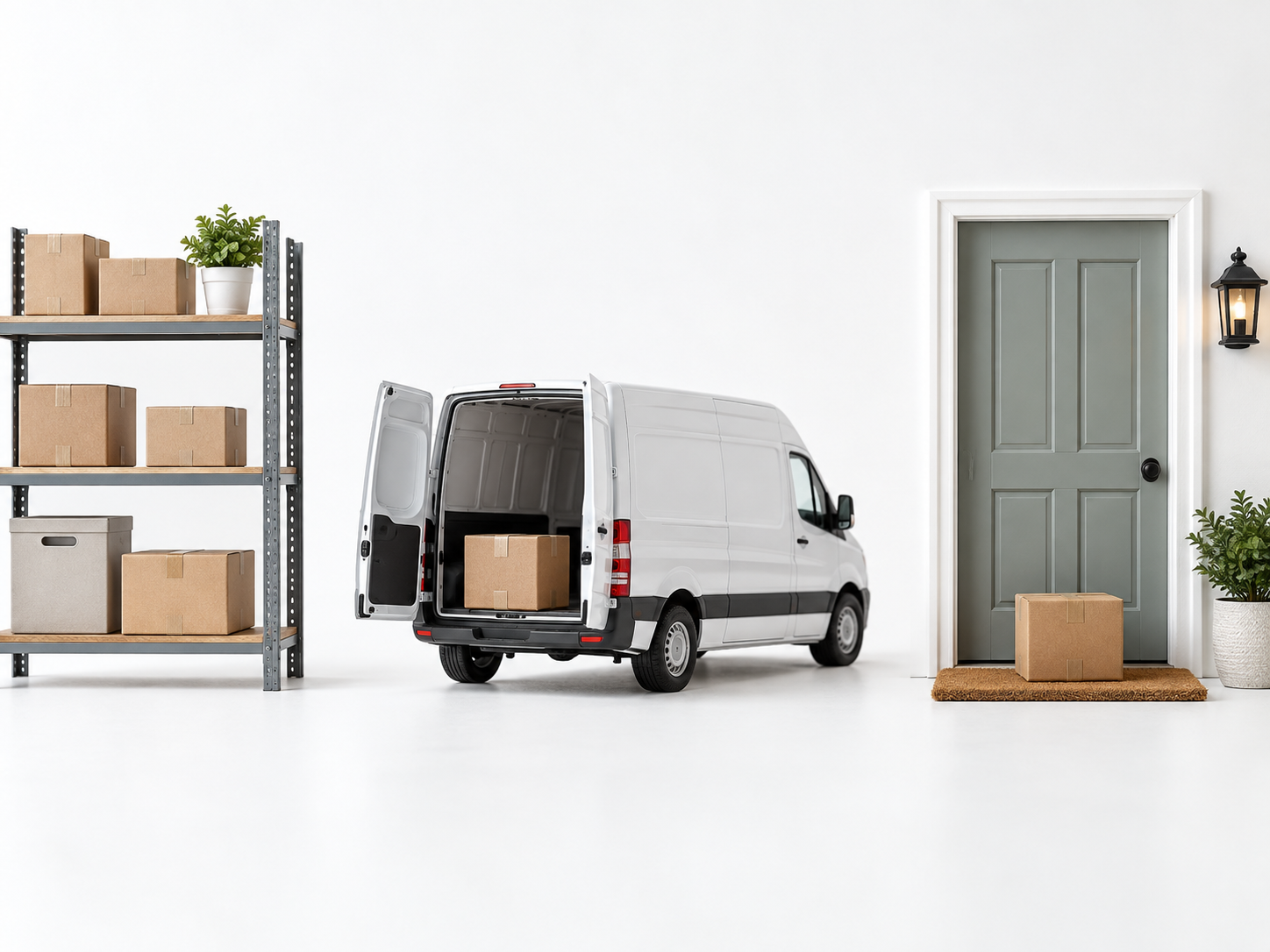
Most ecommerce brands focus heavily on product and marketing. That makes sense. Without demand, nothing moves. But once orders begin to flow consistently, a different part of the business starts to define success or failure. Ecommerce Fulfilment.
It sits behind the scenes, but it shapes customer experience, repeat purchase behaviour, reviews, margins and operational stress.
When it works well, customers rarely notice.
When it breaks, they notice immediately.
This is why understanding ecommerce fulfilment properly is not just an operational concern. It is a commercial one.
In this guide, we will break down the full ecommerce fulfilment process, how it works in practice, where brands typically struggle, and what needs to be in place to support growth.
What Is Ecommerce Fulfilment?
Ecommerce fulfilment is the process of storing products, picking items when an order is placed, packing them, shipping them to customers and handling returns.
It covers the full journey from warehouse shelf to customer doorstep.
At a basic level, order fulfilment in ecommerce includes:
- Inventory storage
- Order processing
- Picking products
- Packing parcels
- Shipping through carriers
- Managing returns
It may sound simple.
In reality, it becomes complex quickly as order volume, product range and customer expectations increase.
Why Ecommerce Fulfilment Matters More Than Ever
Customer expectations are higher than they have ever been.
Next-day delivery is common. Clear tracking is expected. Returns are often part of the buying decision.
At the same time, ecommerce brands are competing not just on product but on experience.
Poor ecommerce fulfilment leads to:
- late deliveries
- incorrect orders
- damaged goods
- refund requests
- negative reviews
- lost repeat customers
Strong fulfilment does the opposite.
It builds trust quietly, order after order.
The Ecommerce Fulfilment Process Step by Step
To understand how ecommerce fulfilment works, it helps to break it down into stages.
1. Receiving Inventory
Before orders can be shipped, stock must arrive at a storage location.
This could be:
- your own warehouse
- a small storage unit
- a fulfilment centre
- a third-party logistics provider
Products are received, checked and logged into a system.
Accuracy at this stage matters. Errors here often create larger problems later.
2. Inventory Storage
Once received, products are stored.
Storage methods vary depending on scale:
- shelving systems
- pallet storage
- bin locations
- automated warehouse systems
Good inventory organisation supports faster picking, fewer errors and better stock visibility.
Poor organisation slows everything down.
3. Order Processing
When a customer places an order, the system triggers the fulfilment process.
Orders typically flow from platforms such as:
- Shopify
- WooCommerce
- Amazon
- TikTok Shop
A warehouse management system (WMS) receives the order and prepares it for picking.
4. Picking Products
Picking means selecting the correct products from storage.
This stage sounds simple but is one of the most important parts of the ecommerce fulfilment process.
Errors here lead to incorrect orders, which directly affect customer experience.
Efficient picking systems reduce:
- mistakes
- time per order
- operational cost
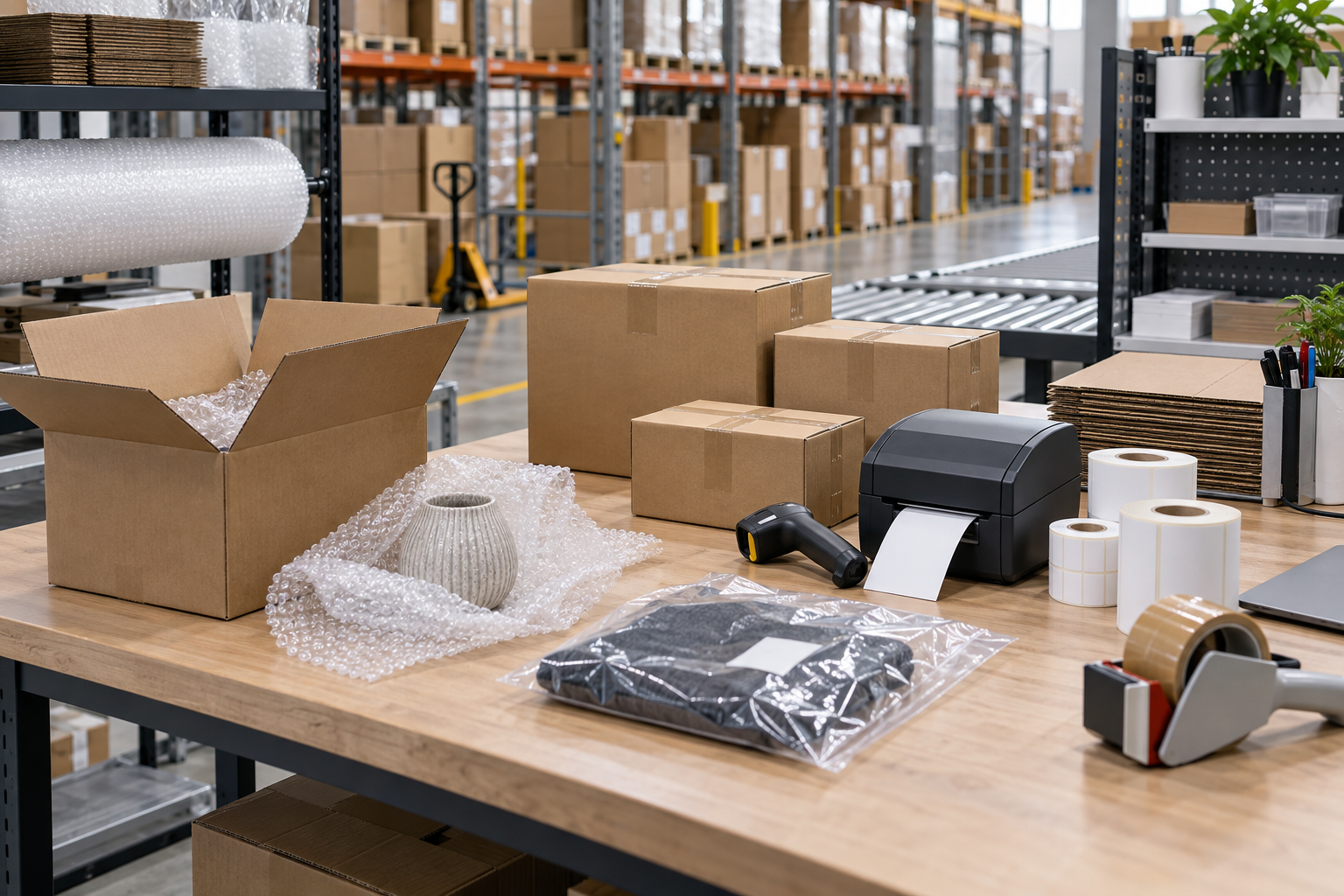
5. Packing Orders
Once picked, items are packed.
Packing includes:
- selecting the correct packaging
- protecting the product
- adding inserts if required
- sealing parcels
- applying shipping labels
For many ecommerce brands, packaging is part of brand experience.
6. Shipping and Delivery
After packing, parcels are handed to couriers.
Shipping options may include:
- next-day delivery
- standard delivery
- international shipping
- tracked services
Carrier choice affects:
- delivery speed
- reliability
- cost
- customer satisfaction
This is where ecommerce logistics becomes visible to the customer.
7. Returns Management
Returns are part of modern ecommerce.
A strong returns process includes:
- receiving returned goods
- inspecting products
- restocking if sellable
- handling refunds or exchanges
For some categories, returns are a major operational and financial factor.
Types of Ecommerce Fulfilment Models
Not all brands handle fulfilment in the same way.
In House Fulfilment
You manage everything yourself.
This is common for early-stage brands.
It offers control but requires time, space and operational discipline.
Third Party Fulfilment (3PL)
You outsource fulfilment to a specialist provider.
A 3PL handles storage, picking, packing and shipping.
This is common for growing brands.
Check out our blog about 3PL vs In-House Fulfilment.
Hybrid Fulfilment
Some brands combine both.
For example:
- core operations handled internally
- overflow or international orders handled by a 3PL
This can offer flexibility.
What Affects Ecommerce Fulfilment Performance?
Several factors determine how well your fulfilment operation performs.
Order Volume
Higher volume creates pressure on systems and processes.
Product Complexity
Simple SKUs are easier to manage than multi-item bundles or fragile goods.
Storage Organisation
Clear structure reduces errors and speeds up picking.
Technology
Strong systems improve accuracy and visibility.
Team Training
Human error is a major factor in fulfilment performance.
Carrier Reliability
Even perfect packing cannot fix poor delivery networks.
Common Fulfilment Challenges
Most ecommerce brands face similar issues as they grow.
Scaling Too Quickly
Operations struggle to keep up with demand.
Lack of Visibility
Poor stock tracking leads to overselling or stockouts.
High Error Rates
Incorrect orders damage trust and increase costs.
Slow Dispatch
Delays affect customer experience and reviews.
Returns Pressure
Returns handling becomes time-consuming and costly.
How to Improve Ecommerce Fulfilment
Improvement usually comes from a mix of process, technology and structure.
Standardise Processes
Clear workflows reduce confusion and errors.
Invest in Systems
Even simple tools can improve visibility and control.
Optimise Storage Layout
Better layout reduces picking time.
Review Carrier Performance
Not all delivery services perform equally.
Forecast Demand
Planning ahead helps avoid operational bottlenecks.
When to Consider Outsourcing Fulfilment
At some point, many brands move from internal operations to external support.
This often happens when:
- fulfilment takes too much founder time
- errors are increasing
- space becomes limited
- growth plans exceed current capacity
- customer expectations rise
This is where fulfilment services in the UK or global 3PL providers can play a role.
The Role of Fulfilment in Growth
Fulfilment is often seen as a cost centre.
In reality, it can be a growth driver.
Reliable delivery builds trust.
Good packaging improves experience.
Efficient operations support scale.
Poor fulfilment does the opposite.
It slows growth, increases refunds and creates operational stress.
How FulfilQ Can Help
Choosing the right fulfilment setup is not always straightforward.
Many providers look similar, but differences in service, pricing and capability can be significant.
FulfilQ has been built to help ecommerce brands navigate this complexity by connecting them with fulfilment partners that match their needs based on:
- order volume
- product type
- location
- integration requirements
- growth stage
This helps reduce wasted time and improves decision-making.
Final Thoughts
Ecommerce fulfilment is one of the most important parts of any online business.
It connects your product to your customer.
It shapes customer experience.
It affects your margins.
It determines how easily your business can scale.
Brands that understand their ecommerce fulfilment process early tend to grow with fewer operational challenges later.
Brands that ignore it often find themselves reacting to problems rather than building a system that supports growth.
The difference becomes clear over time.
Frequently Asked Questions
What is ecommerce fulfilment?
It is the process of storing, picking, packing and shipping products to customers, including handling returns.
How does the ecommerce fulfilment process work?
It starts with receiving stock, then storing it, processing orders, picking items, packing parcels and shipping them.
What are fulfilment services in the UK?
They are companies that handle ecommerce logistics such as warehousing and order shipping.
Can small ecommerce brands manage fulfilment themselves?
Yes, many start this way before outsourcing as they grow.
What is the biggest challenge in ecommerce fulfilment?
Scaling operations while maintaining accuracy and delivery speed.



Comments
Share a question or insight about this article.