
Shopify Fulfilment Explained: How Growing Brands Scale Ecommerce Operations
Launching a Shopify store is easy, but scaling it presents challenges, particularly in fulfilment. As order volume rises, operational complexities grow, affecting dispatch times, inventory management, and customer service. Effective fulfilment strategies, including in-house, third-party, or hybrid models, are essential for controlled growth and maintaining customer satisfaction in e-commerce.
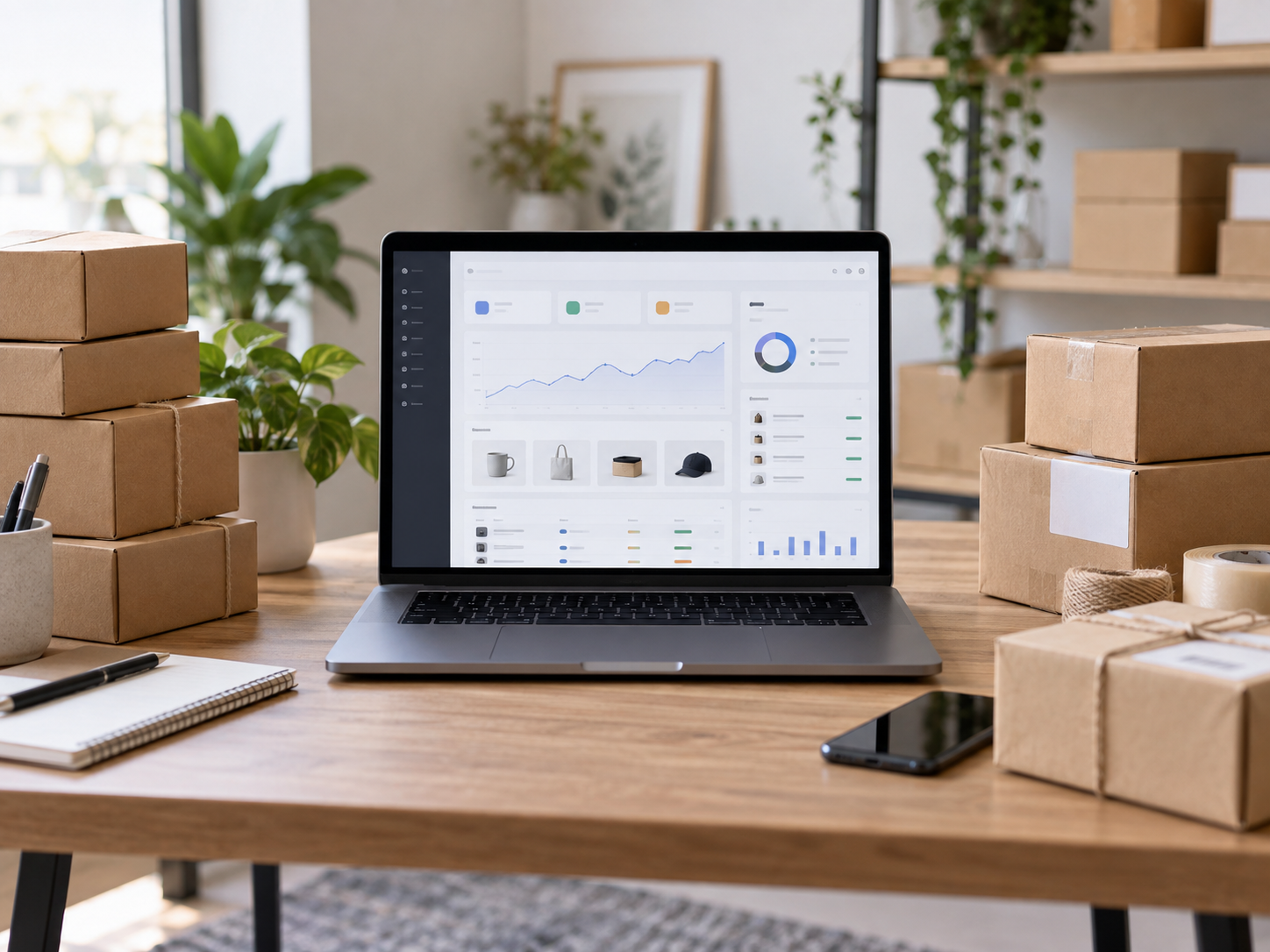
Launching a Shopify store has never been easier.
Scaling one is a different story.
At the beginning, fulfilment often feels manageable. Orders are exciting. Packing products is part of the journey. Most founders are close to every customer and every parcel.
Then momentum builds.
More orders arrive. Inventory expands. Returns increase. Courier issues appear. Suddenly, fulfilment becomes one of the biggest operational pressures inside the business.
That is where Shopify fulfilment starts to matter.
For many ecommerce brands, the difference between controlled growth and operational chaos sits inside fulfilment execution.
What Is Shopify Fulfilment?
Shopify fulfilment refers to the process of storing inventory, processing orders, picking products, packing parcels and shipping customer orders placed through a Shopify store.
This can be managed:
- internally
- through a warehouse
- via a third-party logistics provider (3PL)
- through a hybrid model
The right setup depends on order volume, complexity and growth stage.
Why Shopify Fulfilment Becomes Critical as Brands Grow
Shopify makes selling easier.
However, operational complexity rises quickly behind the scenes.
As order volume increases, brands often face:
- slower dispatch times
- inventory visibility issues
- rising shipping costs
- customer service pressure
- return management challenges
At that point, fulfilment stops being an admin task and becomes part of growth infrastructure.
A Useful Ecommerce Statistic
According to Baymard Institute research, almost 70% of online shopping carts are abandoned, with delivery concerns and unexpected costs remaining major contributors.
Source: https://baymard.com/lists/cart-abandonment-rate
That means fulfilment performance directly affects revenue, not just logistics.
How Shopify Fulfilment Works
The process itself is relatively straightforward.
A customer places an order through your Shopify store.
The fulfilment workflow then includes:
- Order data flowing into the fulfilment system
- Products being picked from storage
- Items packed securely
- Shipping labels generated
- Parcels dispatched through carrier networks
- Tracking information sent to customers
The complexity sits in handling this efficiently at scale.
The Three Main Shopify Fulfilment Models
1. In-House Shopify Fulfilment
This is where the brand manages fulfilment internally.
Typically from:
- home storage
- office space
- small warehouse units
Advantages
- high control
- direct oversight
- flexible packaging
Challenges
- operational strain
- limited scalability
- founder time consumed
For early-stage brands, this often works well initially.
However, it rarely scales efficiently forever.
2. Shopify Fulfilment Through a 3PL
A Shopify 3PL stores inventory and fulfils orders on behalf of the brand.
Most modern fulfilment providers integrate directly with Shopify, allowing orders to flow automatically into warehouse systems.
Advantages
- scalable operations
- faster dispatch
- reduced operational workload
- stronger shipping infrastructure
Challenges
- less hands-on control
- onboarding complexity
- provider selection risk
This becomes increasingly common once brands start scaling aggressively.
3. Hybrid Fulfilment
Some brands combine internal fulfilment with external support.
For example:
- premium orders fulfilled internally
- standard orders outsourced
- international fulfilment handled externally
This model can offer flexibility during transition phases.
Why Many Shopify Brands Outgrow Internal Fulfilment
The issue is rarely just volume.
It is operational complexity.
More SKUs, more returns, more shipping rules and more customer expectations create friction quickly.
Common warning signs include:
- packing taking over evenings and weekends
- increasing dispatch delays
- inventory errors
- difficulty scaling paid ads confidently
- limited warehouse space
This is usually when brands start exploring Shopify fulfilment services more seriously.
The Cost Side of Shopify Fulfilment
Costs vary depending on:
- order volume
- product size
- shipping destinations
- returns rates
- packaging complexity
Typical fulfilment costs include:
- storage fees
- pick and pack pricing
- shipping costs
- returns handling
Importantly, the cheapest option is rarely the best operational choice.
The Hidden Cost Most Brands Ignore
Founder attention.
Time spent:
- printing labels
- solving courier issues
- fixing inventory mistakes
- handling fulfilment admin
…is time not spent growing the business.
This is one of the biggest reasons brands move towards external fulfilment support.
What Makes a Good Shopify Fulfilment Partner?
Not all providers are designed for modern ecommerce brands.
Strong Shopify fulfilment services usually combine:
- direct Shopify integrations
- fast dispatch capability
- responsive communication
- scalable operations
- inventory visibility
- reliable returns handling
Equally important, they need to align with your business stage.
A provider built for enterprise volume may not suit a scaling DTC brand.
A Real Operational Difference
This is where fulfilment providers begin to separate themselves.
Some focus heavily on rigid operational efficiency.
Others build around flexibility and founder support.
For example, some scaling ecommerce brands prioritise providers that remove barriers such as fixed minimums or inflexible volume requirements. Companies like Evolve Fulfilment or Online Fulfilment Centre have positioned themselves around this more flexible, growth-oriented approach for Shopify and DTC brands.
That type of operational flexibility can matter significantly during unpredictable growth periods.
International Shopify Fulfilment
As brands expand globally, fulfilment complexity increases again.
International growth introduces:
- customs requirements
- regional delivery expectations
- local returns management
- shipping cost pressure
This is why many brands eventually move towards multi-region fulfilment strategies.
Another Important Statistic
According to Shopify, fast and affordable shipping remains one of the strongest influences on ecommerce conversion and repeat purchasing behaviour.
Source: https://www.shopify.com/enterprise/blog/ecommerce-shipping-solutions
Fulfilment quality therefore affects both acquisition and retention.
Common Shopify Fulfilment Mistakes
Scaling Marketing Before Operations
Aggressive growth campaigns without fulfilment readiness often backfire.
Choosing Providers on Price Alone
Low pricing can hide operational weaknesses.
Ignoring Returns Processes
Returns are operationally expensive when poorly managed.
Waiting Too Long to Upgrade
Many brands move to scalable fulfilment only after operational stress becomes severe.
How to Choose the Right Shopify Fulfilment Setup
The best setup depends on:
- current order volume
- expected growth
- SKU complexity
- product category
- geographic reach
- customer expectations
There is no universal answer.
The right solution is the one that supports your next stage of growth without creating unnecessary operational pressure.
Where FulfilQ Fits In
Finding the right Shopify fulfilment partner is often more difficult than founders expect.
Most providers look similar at first glance. The differences usually sit inside service quality, flexibility, communication and operational fit.
FulfilQ helps ecommerce brands discover fulfilment providers based on practical business needs rather than generic marketing claims, making comparison and discovery more efficient.
Final Thoughts
Strong Shopify fulfilment is not just about shipping parcels.
It influences:
- customer experience
- operational efficiency
- scalability
- profitability
- brand reputation
As ecommerce competition continues to increase, operational execution becomes a bigger differentiator.
The brands that scale sustainably are usually the ones that treat fulfilment as part of growth strategy rather than an afterthought.
FAQs
What is Shopify fulfilment?
It is the process of storing, packing and shipping orders placed through a Shopify store.
Can Shopify integrate with a 3PL?
Yes. Most modern 3PL providers integrate directly with Shopify.
When should a Shopify brand outsource fulfilment?
Usually when order volume, operational pressure or growth ambitions exceed internal capacity.
Is Shopify fulfilment expensive?
Costs vary depending on volume, shipping requirements and fulfilment complexity.
What matters most in Shopify fulfilment?
Reliability, scalability and customer experience consistency.



Comments
Share a question or insight about this article.