
How to Choose a 3PL for Skincare and Beauty Brands (UK Guide)
Learn how UK skincare and beauty brands can choose the right 3PL for expiry tracking, fragile packing, returns, integrations and scalable fulfilment.
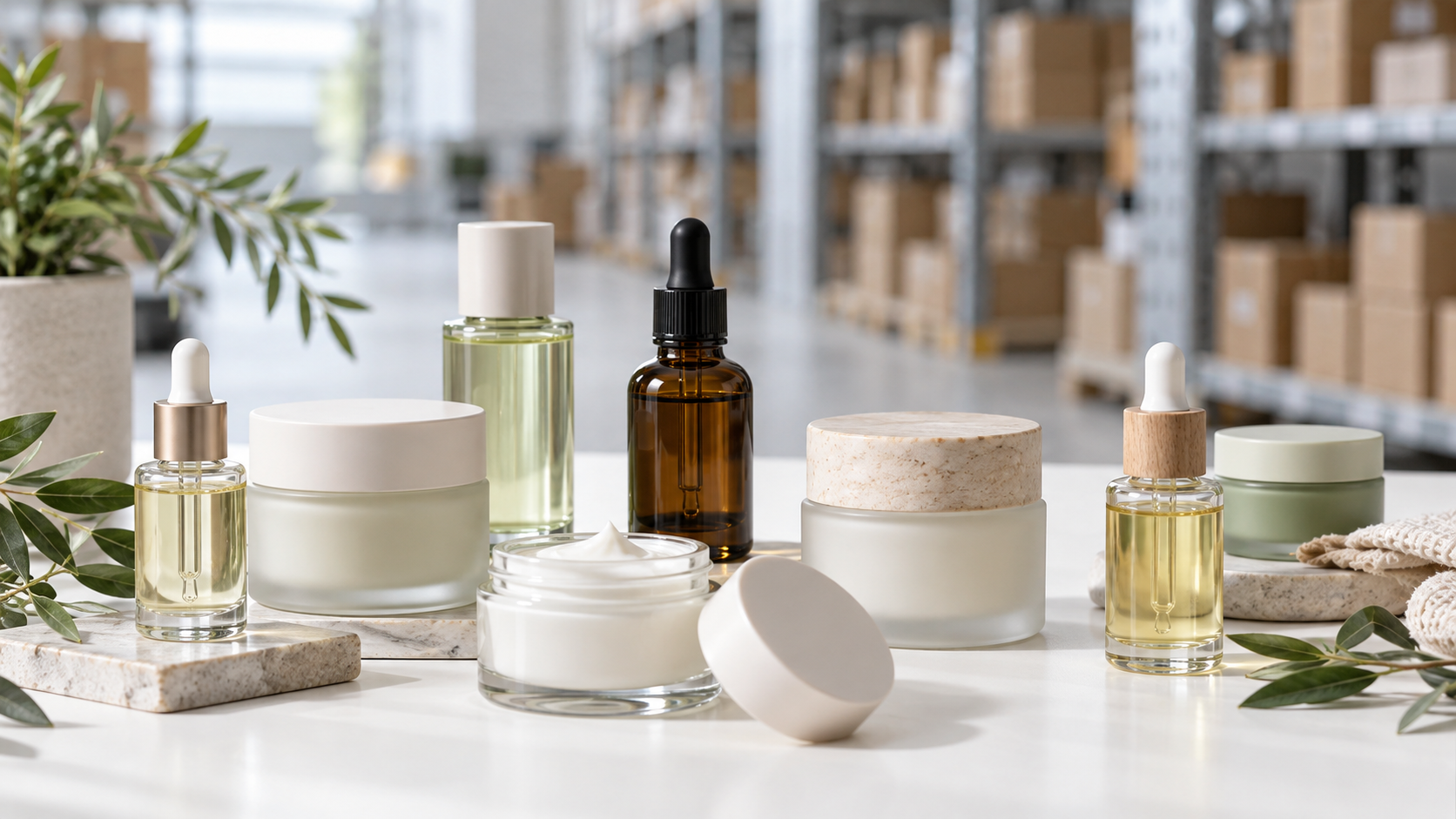
Most skincare and beauty brands outgrow self-fulfilment at roughly the same moment. Orders are climbing, the spare room is full of stock, and the founder is spending three evenings a week packing boxes instead of building the brand. The answer looks obvious: find a 3PL and hand it over.
The problem is that handing it over to the wrong one costs more than staying in the spare room.
Skincare and beauty fulfilment has specific requirements that a general 3PL might not meet, and the ones that cannot meet them will not always tell you upfront. This guide covers what to look for, what to ask, and what separates a 3PL that will grow with your brand from one that will slow it down.
Why beauty and skincare is not standard ecommerce fulfilment
Most skincare and beauty brands outgrow self-fulfilment at roughly the same moment. Orders are climbing, the spare room is full of stock, and the founder is spending three evenings a week packing boxes instead of building the brand. The answer looks obvious: find a 3PL and hand it over.
Expiry dates and lot tracking. Most skincare products have a shelf life, and some have regulatory requirements around it. A 3PL needs to pick stock in the right order, track lot numbers, and flag products approaching expiry before they reach a customer. A warehouse that treats your serums the same way it treats phone cases will cause problems.
Temperature and storage conditions. Some formulations degrade in heat or direct light. Active ingredients, natural products, and anything with a short shelf life may need controlled storage. Most 3PLs will say they handle this. Ask for specifics.
Fragility and presentation. Glass bottles, pumps, and premium packaging break. And beauty customers notice. The unboxing experience is part of the product for most beauty brands, which means packing standards matter more than they do in other categories. Tissue paper, inserts, branded packaging, gift messaging, subscription box assembly: these are not afterthoughts, they are part of what you are paying a 3PL to protect.
Regulatory labelling. Products sold in the UK need to meet UK Responsible Person requirements post-Brexit. Some 3PLs handle relabelling as part of inbound; others do not touch it. Know which you are dealing with before you send your first pallet.
Returns. Beauty returns are complex. Some products can be restocked, some cannot. You need a 3PL that can inspect, grade, and report on returns clearly rather than treating everything as unsellable.
Questions to ask before you sign
What does a strong-fit client look like for your operation?
A good 3PL knows who they are built for. If the answer is vague, that is a warning sign. You want specifics: order volumes, SKU counts, product types they handle well, and crucially, the situations where they would recommend a different provider. A 3PL that admits it is not the right fit for certain clients is a 3PL you can trust.
What are your packing standards for fragile or premium products?
Ask whether they have handled glass packaging before, what their damage rate is, and how they handle branded packaging and inserts. Ask who is responsible for the cost of damaged items: warehouse error versus carrier damage should be treated differently.
What is your returns process for beauty products?
Ask how they inspect returned items, how they decide what can be restocked versus written off, and how they report this back to you. Ask how quickly a returned item that passes inspection becomes available for a new order.
What integrations do you support?
Shopify, Amazon, and the major order management platforms should be standard. Ask about setup time, ongoing support, and what happens when an integration breaks.
How do you charge for storage and fulfilment?
Storage is usually charged per pallet, per bin, or per cubic metre. Pick and pack is usually a per-order and per-item rate. Ask about minimums, peak season surcharges, and any charges for receiving stock. Get this in writing before you commit.
Red flags to watch for
A 3PL that is wrong for beauty brands will often reveal itself in the details. They cannot give you specifics on lot tracking or expiry management. They have never handled glass or fragile packaging at scale. Their returns process is vague. They do not have a clear answer on who bears the cost of warehouse-caused damage. Their integration setup takes weeks and requires significant work on your side.
What good looks like
The right 3PL for a skincare or beauty brand will have handled similar products before. They will be able to show you their process for lot tracking, fragile packaging, and returns without hesitation. They will tell you what they cannot do as clearly as what they can. They will have integrations that work with your existing stack. And they will be able to give you realistic timelines for getting from signed contract to first dispatched order.
Finding the right 3PL faster
Logan is FulfilQ's AI logistics advisor. You describe what your brand needs, including your order volume, the type of products you sell, and where you ship to, and Logan matches you with 3PL partners in the FulfilQ network who are a genuine operational fit. Every partner has been verified. The conversation takes a few minutes, and if Logan finds a match, it routes your requirements directly to the right providers.
Start a conversation with Logan at fulfilq.com



Comments
Share a question or insight about this article.