
Start with the returns problem you need solved
A return is not one operational event. It is a customer request, a carrier movement, a warehouse receipt, an inspection decision, an inventory adjustment and often a refund trigger.
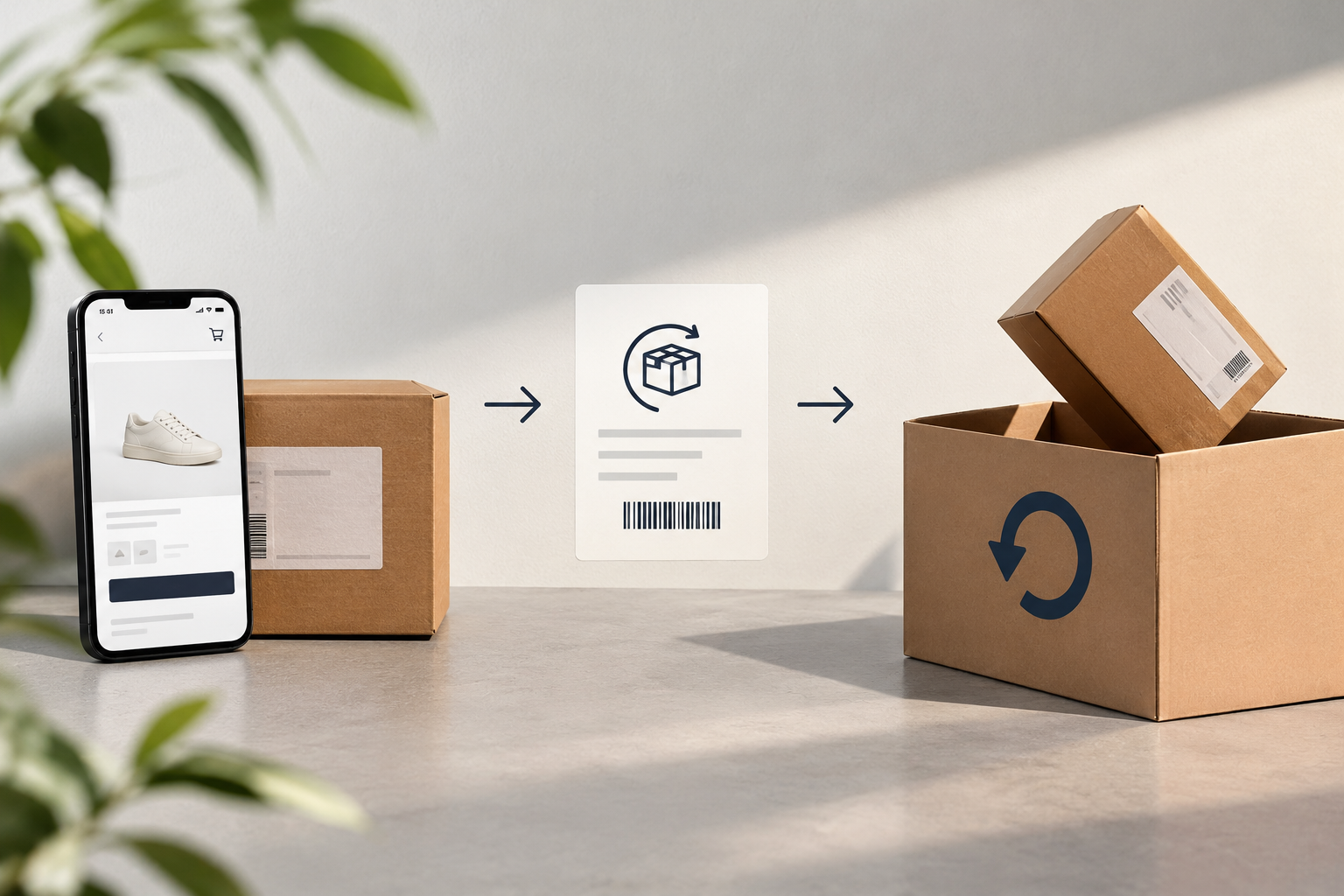
That is why choosing an ecommerce returns management provider on the basis of a low per-parcel rate can create expensive failures elsewhere in the operation.
For a growing brand, returns may be manageable until a promotion, peak period or marketplace expansion exposes the gaps. Stock takes too long to become available again. Refunds are held up because the warehouse and customer service platform disagree. Returned items are marked as sellable without a meaningful check. Or a US customer is asked to send a £20 item back to a UK facility at a cost that makes no commercial sense.
The right provider is not necessarily the one offering the most polished returns portal. It is the one whose return workflow, technology, handling standards and physical network match the products, channels and recovery options your business actually needs.
Before comparing providers, separate the reason for the return from the outcome you want. A fashion brand handling size-related returns has a different requirement from a consumer electronics business processing faults, or a cosmetics brand dealing with hygiene restrictions. The same word - returns - can describe very different warehouse work.
Map your current return volumes by country, sales channel, product category and reason code. Include the less obvious details: whether items arrive with original packaging, whether accessories are often missing, whether products require serial-number checks, and whether retail or marketplace returns follow different rules.
Then define the intended disposition. A returned unit might go back into available stock, be held for a quality check, repaired, relabelled, donated, liquidated, returned to a supplier or destroyed. If the provider can only support one generic “pass or fail” inspection, the apparent simplicity may work against you.
A practical brief might state that UK DTC apparel returns should be inspected and returned to sellable stock within 48 hours of receipt, while opened beauty products must be quarantined. It might also specify that faulty electrical items require serial-number capture and photo evidence before the customer is refunded. These are operational requirements, not minor workflow preferences.
What an ecommerce returns management provider should do
A capable provider combines customer-facing return initiation with the physical work needed after goods arrive. Some businesses offer both under one roof; others specialise in software and rely on your warehouse or 3PL to execute the handling. Neither model is automatically better.
A software-led provider can be a sensible choice where your existing fulfilment partner already has disciplined inspection processes, sufficient labour and reliable inventory controls. It can improve carrier choice, automate eligibility rules and give customers clearer return options without moving stock to another location.
A warehouse-led service may be stronger when the bottleneck is physical processing. This is common when returned inventory is mixed, high value, condition-sensitive or distributed across several regions. The provider needs trained people, documented quality-assurance rules, suitable storage and a clear route for every disposition outcome.
Ask providers to explain exactly where their responsibility starts and ends. If their platform issues labels but your 3PL performs inspection, who resolves a missing accessory? If the returns site grades an item as sellable, how and when does that update your ecommerce platform and warehouse management system? Ambiguous ownership is where return delays tend to settle.
Technology needs to reflect your sales channels
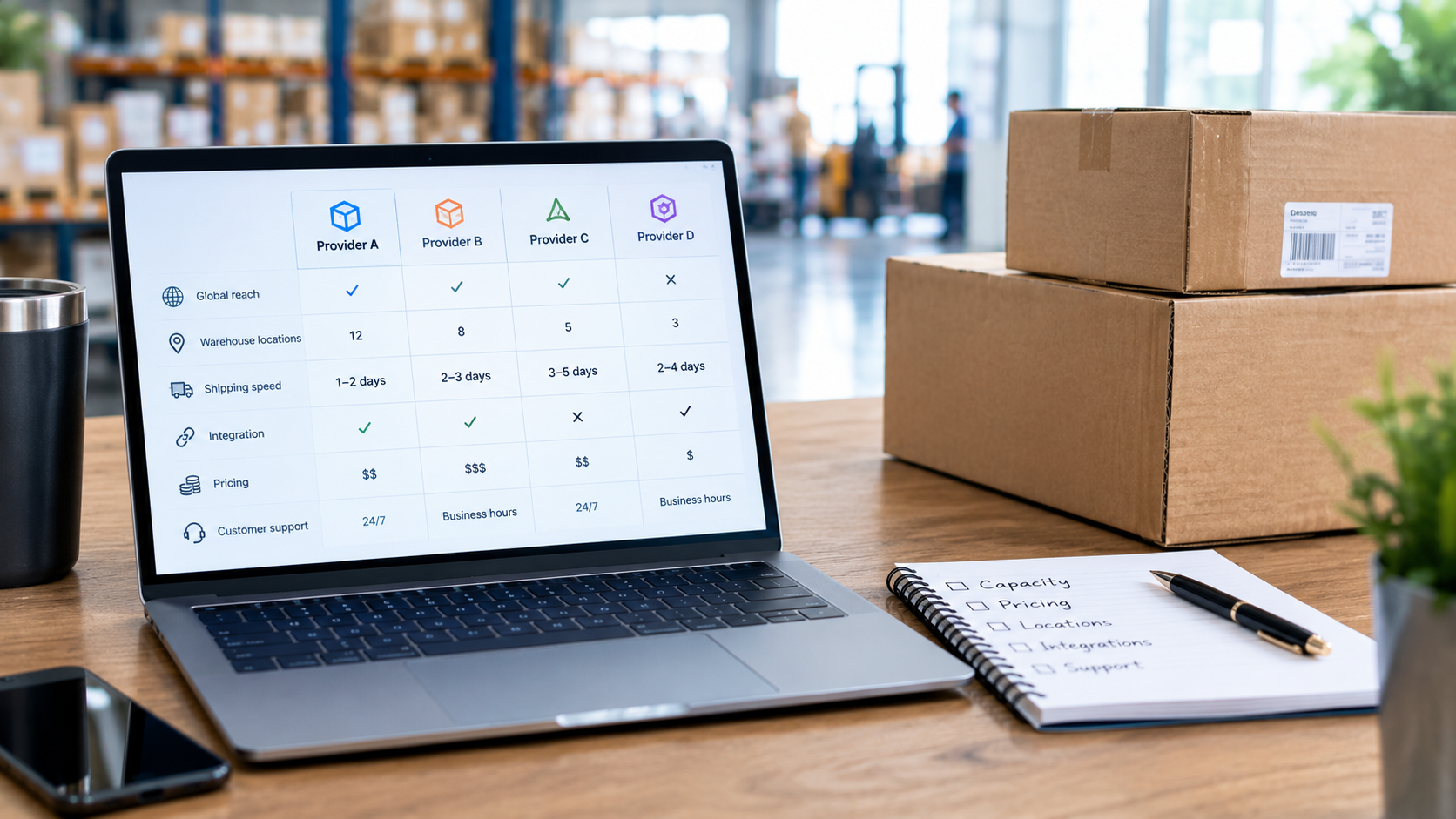
Integration quality matters more than a long logo list. Confirm whether the provider can exchange the data your operation needs with Shopify, your ERP, warehouse management system, marketplaces and customer service tools. A basic order-status connection may not be enough.
Useful questions include whether the integration passes return reason codes, condition grades, photographs, serial numbers, carrier scan events and final disposition. Establish whether stock adjustments happen in real time, in batches, or after a manual approval. For marketplace operations, check that the workflow supports channel-specific return windows, refunds and merchant-fulfilled obligations.
Also test the exception path. Standard returns are rarely the problem. You need to know what happens when a parcel arrives without a return reference, an item does not match the order, the customer returns two units instead of one, or an item is received outside the policy window. The provider should show how those exceptions are queued, evidenced and resolved.
Assess the physical operation, not just the portal
A return label and branded portal can improve the customer experience, but they do not tell you whether inventory will be recovered accurately. Ask to see the warehouse process in enough detail to understand the work performed at receipt.
Inspection criteria should be documented by product type. For apparel, that could cover tags, odour, visible wear and packaging. For electronics, it may include power tests, activation locks, serial numbers and missing cables. For items that require batch tracking, the process needs to preserve the relevant batch or lot data rather than merely booking a generic SKU back into stock.
Timing is equally important. Providers may quote a service level based on receipt at their facility, but carrier handover, backlog and approval queues can extend the total refund cycle. Ask for typical and peak-period turnaround times, not only a target service-level agreement. If you promise customers a refund within five working days, your warehouse process must leave room for carrier transit and finance or platform triggers.
Capacity deserves the same scrutiny as outbound fulfilment. A provider that can process 5,000 returns in a normal month may struggle after a Black Friday campaign or seasonal sale. Check the labour plan, overflow process, operating hours and cut-off dates for peak. If returns are processed in the same facility as outbound orders, understand which activity takes priority when space or labour is tight.
Compare the real cost of returns
Returns pricing is often fragmented: a label fee, inbound parcel receipt, item inspection, photography, steaming, repackaging, restocking, storage, disposal and outbound reshipment can all appear separately. This is not inherently a problem, provided the rate card mirrors the work required and the assumptions are clear.
Build a realistic cost model using your own return mix. Include domestic and international carrier costs, average items per return, multi-item handling, items requiring manual inspection and the proportion that cannot be resold. A flat fee can look attractive when most returns are single-item and clean, then become poor value when a quarter of parcels need more detailed handling.
The cost of delay should also be counted. A £40 garment that sits in a returns cage for three weeks may lose its chance of resale at full price. Equally, processing every low-value item to a high inspection standard can cost more than the stock is worth. Good providers help you establish commercial thresholds: which items merit recovery, which should be refunded without return, and which should be consolidated or liquidated.
Questions to put into an RFP
A useful returns brief should make providers respond to the operation rather than sell a generic service. Include your monthly and peak return volumes, SKU count, return reasons, countries, channels, product restrictions, required integrations and desired processing times.
Ask each provider to address these areas directly:
How are items identified, inspected, graded and recorded on receipt?
Which return outcomes can be automated, and which require brand approval?
What data is returned to your ecommerce, inventory and customer service systems?
How are unrecognised, damaged or disputed parcels handled?
What capacity is reserved for peak, and what are the onboarding lead times?
Which facilities can receive returns in each market, and where can recovered stock be redeployed?
The answers should be specific enough to compare. “Full visibility” is not an answer; daily condition-level reporting with images for exceptions is. “Global returns” is not an answer either; local return addresses, carrier options, processing locations and onward inventory routes are.
Watch for regional and international gaps
A provider with a UK returns centre may be a strong fit for a domestic brand but a poor fit for a business with material US or European volume. International returns add customs considerations, local consumer expectations and a difficult decision about where recovered inventory should go next.
For example, returning goods from Germany to the UK can create avoidable transport cost and border friction. Keeping return processing within the EU may improve speed and customer experience, but it only creates value if the provider can put suitable stock back into the right fulfilment location or consolidate it economically.
Do not assume a wide network means every site offers the same inspection capability. A provider may accept parcels in several countries but perform detailed grading in only one hub. That may be entirely workable, provided it is visible in the proposed flow and reflected in refund timelines and costs.
Choose fit over the lowest rate
The best ecommerce returns management provider is one that can show how your products move from customer doorstep to a defined commercial outcome, with clear ownership at every hand-off. It should support the return policy you want to offer without creating uncontrolled labour costs or unreliable stock records.
Compare providers against the realities of your operation: your product condition rules, integrations, recovery routes, regional footprint and peak profile. A low quote may be appropriate for a simple, domestic, low-value returns stream. But where returns affect stock availability, customer loyalty and margin recovery, the cheapest quote means very little if the operation behind it cannot support where your business is going.



Comments
Share a question or insight about this article.