
How to Choose a 3PL for Pet Food and Health Supplement Brands (UK Guide)
Choosing a UK 3PL for pet food and health supplements requires reliable lot tracking, expiry management, compliant handling and recall readiness.
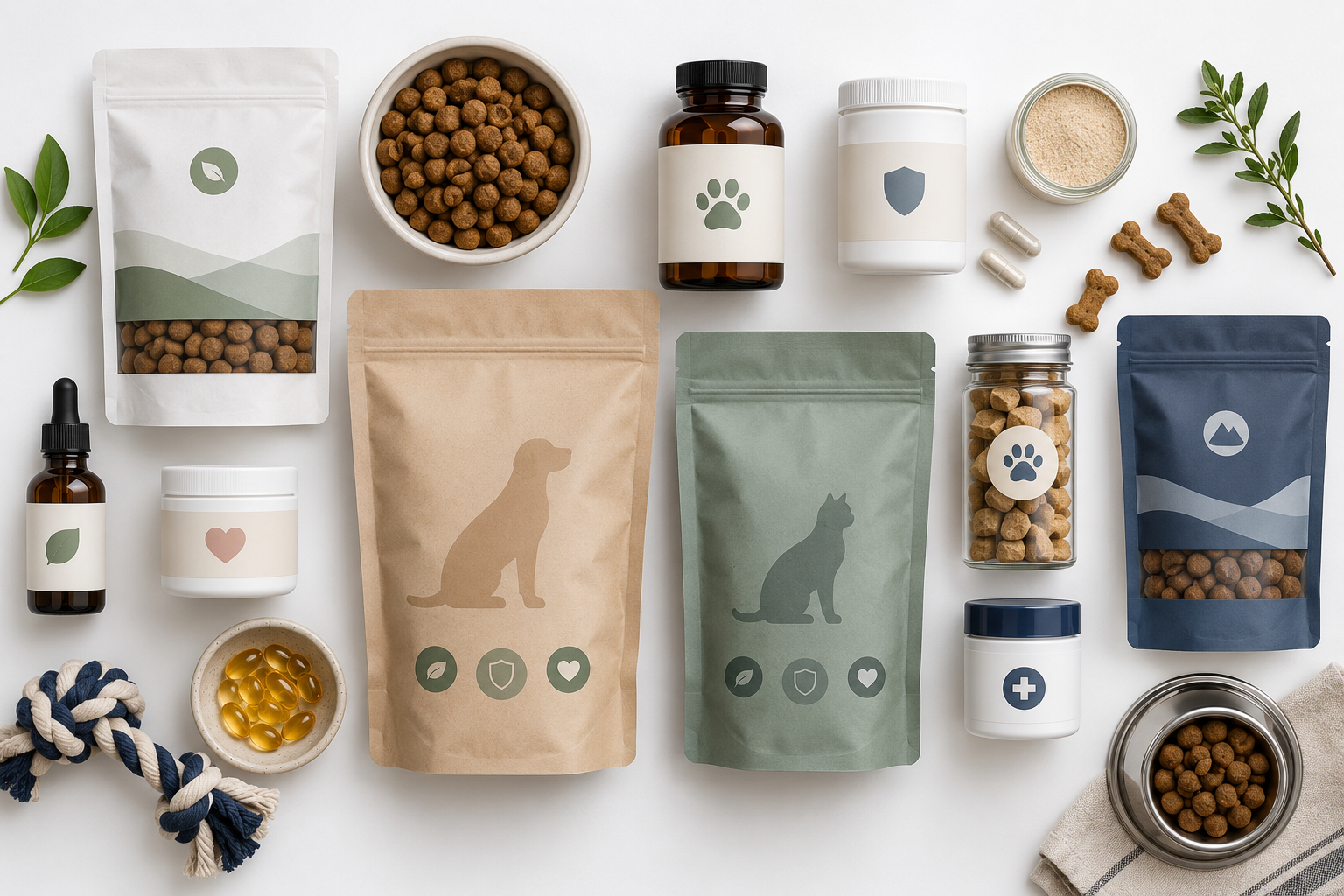
Choosing a 3PL for pet food and health supplements is not the same as outsourcing ordinary ecommerce fulfilment. These products sit close to regulated food and health categories, so storage, traceability, labelling and dispatch decisions can affect compliance as well as customer experience. The right UK 3PL should understand the products it is handling, maintain reliable batch records and help your team respond quickly when an issue arises.
Why Pet Food and Supplement Fulfilment Is More Complex
A general ecommerce warehouse is designed to receive stock, store it, pick orders and hand parcels to carriers. Pet food and supplement fulfilment includes all of that, but adds controls that are easy to underestimate. Trading Standards may become involved when products are incorrectly described or labelled. Pet food businesses may also need to consider Animal and Plant Health Agency requirements, while supplement brands must avoid presenting products in a way that crosses into medicinal claims overseen by the Medicines and Healthcare products Regulatory Agency.
The warehouse need not act as your regulatory adviser, but it must recognise the boundaries. Staff should know when documentation is missing and when a product must be quarantined rather than shipped. Treating every SKU like an ordinary consumer good can turn an operational mistake into a compliance problem.
Expiry-date management is another essential difference. Stock should normally be allocated using first-expired, first-out rules. The warehouse management system should record expiry dates and lot numbers at receipt, retain that data through dispatch, and warn your team before products become unsuitable for sale.
Storage conditions matter too. Some dry foods, oils, probiotics, powders and soft chews are sensitive to heat, moisture or direct light. The required controls depend on the product specification, but the 3PL should be able to explain how it monitors the relevant environment, records exceptions and protects stock during unusually hot or humid periods.
The UK Regulatory Landscape in Plain English
Pet food sold in Great Britain must meet rules covering composition, presentation and labelling. Required information may include the product type, feeding instructions, composition, additives, best-before date, batch details and responsible business. Requirements depend on the product, so brands should obtain specialist advice and give the warehouse approved specifications and artwork.
Health supplements are generally regulated as foods rather than medicines when their composition and claims remain within the rules. A supplement cannot be marketed as treating or preventing disease merely because it contains a familiar ingredient. Product pages, inserts and labels all matter, and a fulfilment team should never improvise claims.
In practical terms, the 3PL needs clear release rules: which documents accompany inbound stock, who can approve relabelling and when stock must be held. It must preserve traceability so the brand can identify affected units quickly.
A recall is the clearest test. The warehouse should stop dispatches, isolate affected stock, identify orders containing a specified lot and provide accurate records. Speed and accuracy matter equally; incomplete spreadsheet data is not a reliable recall process.
Questions to Ask a 3PL Before Signing
Do you have experience handling food-grade or near-food products?
Ask for relevant examples rather than accepting a broad yes. Find out which product types the warehouse handles, how it prevents contamination and whether staff receive category-specific training. Experience with dry foods, supplements or ingestible products is more useful than a generic consumer-brand claim.
How do you manage expiry dates and lot numbers across your WMS?
The answer should cover receiving through dispatch. Ask whether lot and expiry data are captured at goods-in, whether the WMS supports first-expired, first-out allocation, and whether orders retain the exact batch shipped. Confirm how short-dated inventory alerts work.
What is your procedure if a batch recall is issued?
Request the documented process. A credible 3PL should be able to quarantine stock immediately, prevent affected lots from being allocated, trace dispatched units and produce a clear reconciliation. Ask when the process was last tested and whether the warehouse has handled a real recall or simulation.
How do you handle returns for consumable products?
Consumable returns should not flow automatically back into saleable inventory. Ask how packaging integrity, tamper evidence, temperature exposure, lot information and expiry dates are assessed. The commercial policy is yours to define, but the 3PL must apply it consistently and keep returned, quarantined and saleable stock separated.
What temperature and humidity controls do you have in place?
Start with your product specifications, then ask how the controls meet them. Look for monitoring locations, calibrated equipment, alert thresholds and a response procedure. Clarify whether controlled storage covers the full facility or only a defined zone.
Can you handle products that require UK labelling or relabelling?
Some 3PLs apply approved labels, batch stickers or market-specific information. Confirm who approves the artwork, how the warehouse verifies the correct version and how work is recorded. Regulatory responsibility should remain clearly assigned in writing.
What Good Pet Food and Supplement Fulfilment Looks Like
An experienced 3PL will answer these questions with processes, system evidence and realistic limits. Its WMS will track lot numbers and expiry dates without depending on a separate spreadsheet. It will be able to explain how first-expired, first-out allocation works, how exceptions are approved and how quickly a batch-level dispatch report can be produced.
The team will also understand that a food supplement is not the same as a medicinal product. It will flag uncertainty instead of making assumptions, and it will ask for product specifications before proposing storage or handling methods. Previous recall experience is valuable, but a recent, documented recall test can also demonstrate readiness.
Good fit should be visible during onboarding. The provider will map each SKU's storage conditions, shelf-life rules, batch format and return disposition before stock arrives. You can find a verified UK logistics provider and assess providers against these requirements.
Red Flags When Choosing a 3PL
Be cautious if a provider has never handled a recall and cannot describe how it would test one. A warehouse that tracks expiry dates only in a spreadsheet creates unnecessary dependence on manual updates and makes order-level traceability harder to prove. The same applies when temperature monitoring is described vaguely, with no information about sensors, records, alerts or corrective action.
Another warning sign is a provider that says yes to every requirement before asking what the product contains, how it is classified or what conditions it needs. A capable operator will ask detailed questions. Those questions are evidence that it understands the consequences of storing or shipping the wrong product in the wrong way.
Document charges for batch capture, short-dated reports, relabelling, quarantine, returns inspection and recall support. Unclear responsibilities can slow urgent action when the brand needs certainty.
How Well-Prepared Brands Work with Their 3PL
The brands that get this right treat their 3PL as a compliance partner, not merely a warehouse. They share full product specifications before onboarding, including classification, ingredients where relevant, shelf life, storage limits, batch structure, approved labels and escalation contacts. They do not expect warehouse staff to infer requirements from the packaging.
They also agree a recall procedure in writing before the first order ships. That procedure identifies who can issue a stop, how quickly inventory and dispatch reports must be supplied, where affected stock will be quarantined and how customers or authorities will be supported. Regular test exercises reveal gaps while the stakes are low.
Strong brands review batch accuracy, short-dated exposure, storage exceptions, return classifications and recall-test results. Dispatch speed matters, but it is only one part of safe fulfilment.
People Also Ask
Do UK 3PLs need special certification to handle pet food?
There is no single universal certificate that makes every UK 3PL suitable for all pet food. The required registrations, hygiene controls and approvals depend on the products and activities involved, so brands should confirm the warehouse's status and procedures against their specific range.
What happens to supplement returns at a 3PL?
Returned supplements are usually quarantined and inspected under the brand's agreed policy. Products with broken seals, uncertain storage history, damage or missing traceability information are commonly kept out of saleable stock and may be destroyed or otherwise disposed of appropriately.
How do I know if my 3PL can handle a product recall?
Ask to see its documented recall procedure and the results of a recent test. The 3PL should be able to block a specific lot, reconcile stock, identify every affected dispatch and provide reliable records within an agreed timeframe.
Danum Global is a verified FulfilQ partner offering UK ecommerce fulfilment. View their profile to see if they are the right fit for your brand.
Finding the Right 3PL for Your Brand
Logan is FulfilQ's AI logistics advisor. If you are looking for a UK 3PL with experience in pet food or health supplements, start a conversation at fulfilq.com. Logan will match you with verified partners who understand your product category.
You can also find a verified UK logistics provider and browse verified partners directly.




Comments
Share a question or insight about this article.